

Brics to push for intra-currency payments as ‘immunity’ against Western clout
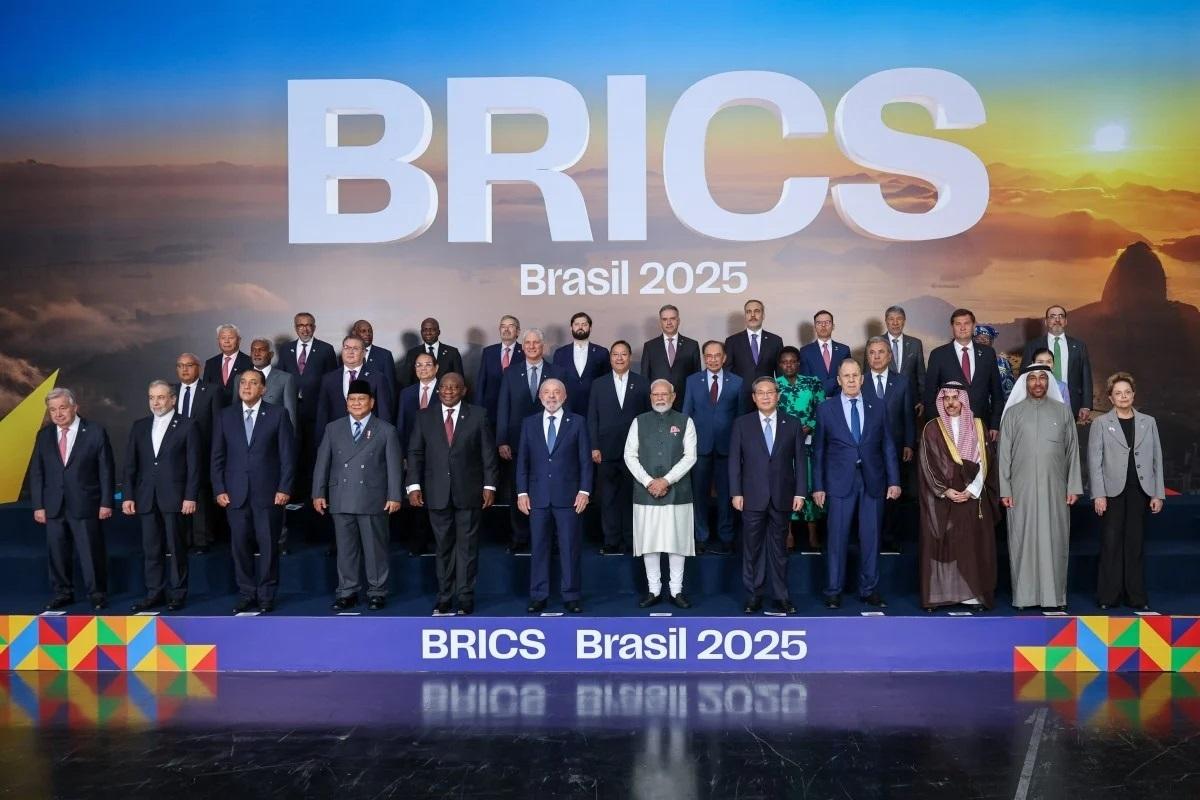
Brics nations are assessing whether a digital payments framework linking their currencies could lessen the impact of Western sanctions, tariffs and US dollar volatility without destabilising the Washington-led global financial system.
Under the plan proposed by India’s central bank, Brics is looking to allow cross-border transactions to be settled in local currencies. Its feasibility depends on how far the bloc’s members can lessen their reliance on Western-controlled payment channels without alarming the US, according to analysts.
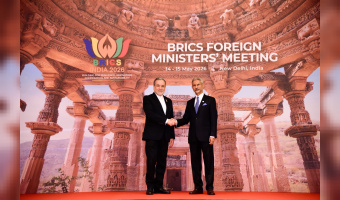
Brics foreign ministers are scheduled to meet in New Delhi from May 14-15 ahead of the bloc’s summit on September 10-11, when payment connectivity and trade settlements are expected to be among the issues on the agenda.
After the formation of Brics by founders Brazil, Russia, India and China in 2009, the bloc has welcomed South Africa, Egypt, Ethiopia, Indonesia, Iran and the United Arab Emirates as members in subsequent years.
Geeta Kochhar, senior assistant professor at the Centre for Chinese Studies at Jawaharlal Nehru University in Delhi, said a decentralised financial payments system within Brics could make it more resilient against external developments.
“It is like a strategic tool to provide immunity against Western economic leverage. Even if there is dollar volatility, it will not affect payments as it will be near real-time payments,” she said.
Such a system could enable the Indian rupee and other Brics currencies to bypass Western intermediary banks and reduce US dollar conversion fees.
During a preparatory meeting in Delhi in February, Brics members stressed the need for a cross-border payment and settlement infrastructure.
Russia and Iran have been hit by sanctions for years, with both unable to sell their commodities in global markets due in part to the Western-dominated Swift cross-border payments network. Instead, they have turned to China and India for much of their oil and gas trades.
A Brics payments system would be an “insurance policy” for India and other members to gain access to critical commodity imports and circumvent Western financial restrictions, Kochhar said.
She pointed out that Brics could shape intra-currency management due to their economic clout, as about 42 per cent of global oil and 40 per cent of grains were produced by the bloc’s members.
A founding member of the 121-member Non-Aligned Movement, India has been seeking to diversify its relations with various institutions and forums other than Brics, such as through the Quadrilateral Security Dialogue, or Quad, comprising itself, the US, Australia and Japan.
Delhi should be wary of upsetting US President Donald Trump over the Brics proposal as it strives to reach an interim trade deal with Washington, according to Biswajit Dhar, an economics professor at Delhi’s Council for Social Development.
Negotiations between the two sides have been complicated by the ongoing US-Iran war and a US Supreme Court declaring a broad range of Washington’s global trade tariffs as illegal. In February, Trump agreed to reduce US tariffs on Indian imports to 18 per cent from 25 per cent.
Trump was concerned about any move that could challenge the dominance of the US dollar, and Indian trade representatives should be mindful of this issue during negotiations, Dhar said.
The proposed Brics payment system comes as China and India aim to expand the use of their respective currencies in global trade.
Investor confidence in the US dollar could weaken amid global uncertainties, especially if China and other major economies were to reduce the use of the currency, Dhar said.
Vivek Mishra, deputy director of strategic studies at the Observer Research Foundation, said India should assure the US that the proposal would not challenge the US dollar in global trade and that the Brics payment system was aimed at easing the process of account settlements, such as between Moscow and Delhi for India’s purchases of Russian oil.
“This system is more about control of central banks [from Brics] and their ability to talk to each other. This arrangement is not an alternative to the dollar,” Mishra said.