

How do foreign direct investment flows affect carbon emissions in BRICS countries?
How do foreign direct investment flows affect carbon emissions in BRICS countries? Revisiting the pollution haven hypothesis using bilateral FDI flows from OECD to BRICS countries
Authors: Nicholas Apergis, Mehmet Pinar, Emre Unlu
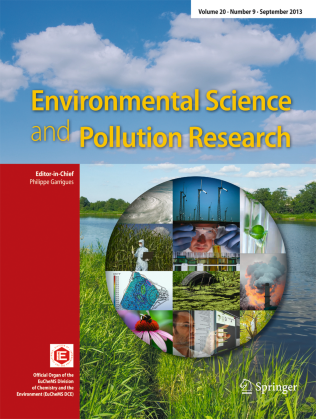
Journal: Environmental Science and Pollution Research
Volume & Issue: Volume 30, pages 14680–14692
Published: September 26, 2022
This research investigates the impact of bilateral foreign direct investment (FDI) flows from eleven OECD countries on carbon emissions in BRICS nations—Brazil, Russia, India, China, and South Africa—between 1993 and 2012. Unlike previous studies using aggregate FDI data, this study disaggregates FDI by source country to examine heterogeneous environmental effects.
The findings reveal that FDI flows from Denmark and the UK increase carbon emissions in BRICS countries, supporting the pollution haven hypothesis, while FDI from France, Germany, and Italy reduces emissions, reflecting the pollution halo effect. FDI from Austria, Finland, Japan, the Netherlands, Portugal, and Switzerland showed no significant impact. These results highlight that the environmental consequences of FDI depend on the investing country’s practices and underscore the need for recipient countries to enforce strong environmental regulations.
Policy implications include promoting clean FDI, rating investing countries based on environmental performance abroad, and preventing BRICS nations from becoming pollution havens. The study also suggests future research should extend the analysis to more recent periods, additional countries, and sector-specific FDI flows to further understand the nuanced effects of foreign investment on environmental quality.