

India in BRICS: Critical Analysis
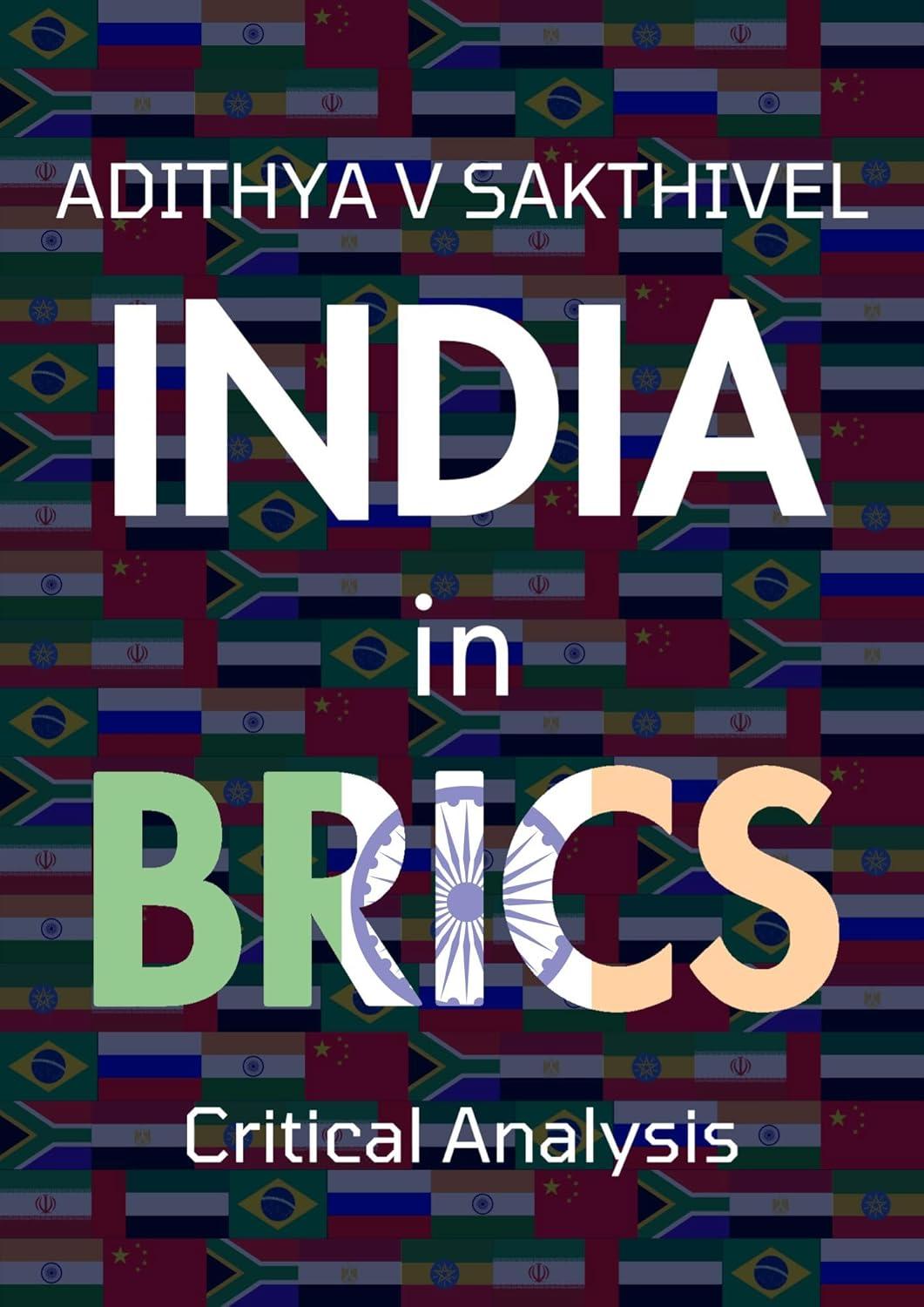
India in BRICS: Critical Analysis
Author: Adithya Vikram Sakthivel
This book provides a detailed and critical examination of India's role in the BRICS alliance, emphasizing its economic, political, and strategic dimensions. Sakthivel explores the origins of BRICS and India's objectives within this forum, offering a nuanced understanding of how emerging economies interact and cooperate in a rapidly changing global landscape.
A major focus of the book is on India’s economic engagement with fellow BRICS members. Trade dynamics, investment flows, and collaborative opportunities are analyzed alongside challenges such as trade imbalances and regional disputes. By examining these factors, the book sheds light on both the potential benefits and the strategic hurdles India faces in leveraging the BRICS framework for national development and global influence.
The text also delves into the internal workings of BRICS, assessing governance structures, decision-making mechanisms, and the effectiveness of collective initiatives across economic, security, and developmental domains. It highlights the achievements of the alliance while critically addressing its limitations, revealing the complex balance between cooperation and national interests among member states.
Sakthivel further investigates India’s bilateral relationships with each BRICS member, identifying areas of convergence and divergence. By doing so, the book uncovers strategic alignments and tensions, including geopolitical challenges such as territorial disputes and broader global power rivalries. This approach provides a comprehensive understanding of India’s foreign policy priorities within the alliance and the global implications of its engagement.
Overall, India in BRICS: Critical Analysis offers an insightful exploration of India’s multifaceted role in a key bloc of emerging powers, making it a valuable resource for scholars, policymakers, and practitioners interested in contemporary international relations, global governance, and the evolving dynamics of BRICS.
The book successfully bridges macro-level analysis of BRICS as a collective with micro-level scrutiny of India’s strategic positioning. It emphasizes the interplay between economic interests, geopolitical challenges, and diplomatic strategy, providing a framework to assess both India’s influence within BRICS and the alliance’s potential in shaping the global order.
CONTENTS
Introduction
Preface
Chapter1: Brief History of BRICS
Chapter 2: India's Place in BRICS
Chapter3IndiaandBrazil
Chapter 4: India and Russia
Chapter 5: India and China
Chapter 6: India and South Africa
Chapter 7: India and Egypt
Chapter 8: India and Ethiopia
Chapter 9: India and Iran
Chapter 10: India and the UAE
Chapter 11: The Population Demographics of BRICS
Chapter 12: GDP and Wealth Distribution of BRICS
Chapter 13: Inequality and Unemployment Within BRICS
Chapter 14: Literacy and Education Within BRICS
Chapter 15: Urbanization in the BRICS
Chapter 16: Corruption Within BRICS
Chapter 17: Ease of Doing Business Within BRICS
Chapter 18- Pollution Within BRICS
Chapter 19: Access to Safe Water Within BRICS
Chapter 20: Internet Freedom Within BRICS
Chapter 21: Freedom of the Press Within BRICS
Chapter 22: Crime Within BRICS
Chapter 23: Oil, Gas, and Coal Reserves Within BRICS
Chapter 24: Nuclear Fuel Production Within BRICS
Chapter 25: Metal Production Within BRICS
Chapter 26: Gold and Forex Reserves Within BRICS
Chapter 27: Foreign Direct Investment Within BRICS
Chapter 28: The Military Power of BRICS
Chapter 29: India's Trade with the BRICS Nations
Chapter 30: Conflict Within BRICS
Appendix A: List of Tables
Appendix B: BRICS Shared Membership With India
Appendix C: Joint Statement of the BRIC Countries' Leaders
References